
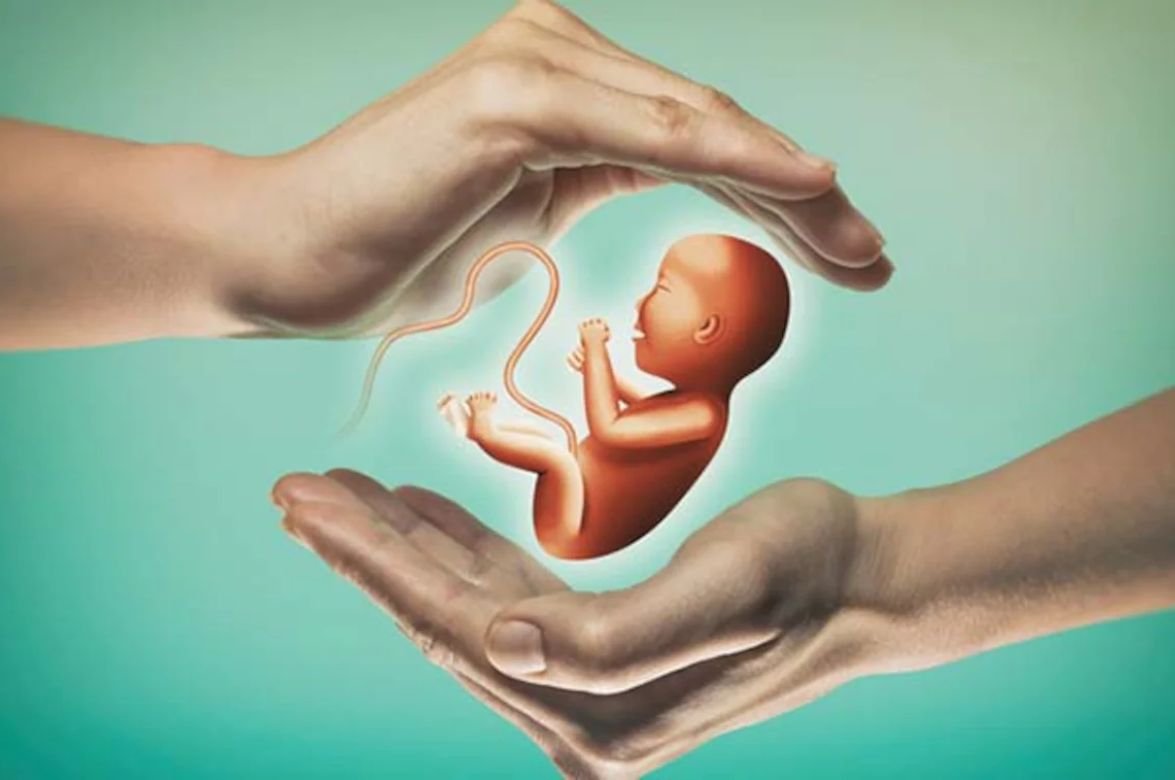
IVF
In vitro fertilization (IVF) is a medical procedure used to help couples who have been unable to conceive naturally. It involves the fertilization of eggs outside of the body in a laboratory setting, followed by the transfer of one or more embryos back into the uterus. The IVF process typically begins with fertility medications that stimulate the ovaries to produce multiple eggs. The eggs are then retrieved through a minor surgical procedure and fertilized with sperm in the laboratory. After fertilization, the resulting embryos are monitored for several days to ensure they are developing properly. One or more of the embryos are then transferred back into the uterus through a thin catheter, with the hope that they will implant and result in a successful pregnancy. Any remaining embryos can be frozen for future use. IVF may be recommended for couples who have difficulty conceiving due to a variety of reasons, such as blocked fallopian tubes, male infertility, or unexplained infertility. It may also be used in cases where other fertility treatments, such as intrauterine insemination (IUI), have been unsuccessful. While IVF can be an effective treatment option for infertility, it is not without risks. Fertility medications can cause side effects such as bloating, mood swings, and headaches. The retrieval of eggs carries a small risk of bleeding, infection, and damage to surrounding structures. Additionally, there is a higher risk of multiple pregnancies with IVF, which can increase the risk of complications during pregnancy and delivery. Despite these risks, IVF has helped many couples overcome infertility and achieve their dream of having a child. By working closely with fertility specialists and following personalized treatment plans, couples can increase their chances of success with IVF and start building their family.
© Copyright 2023 by Doctor's Digital. All Rights Reserved